Auditing enterprise-level user permissions used to take hours…now it takes minutes
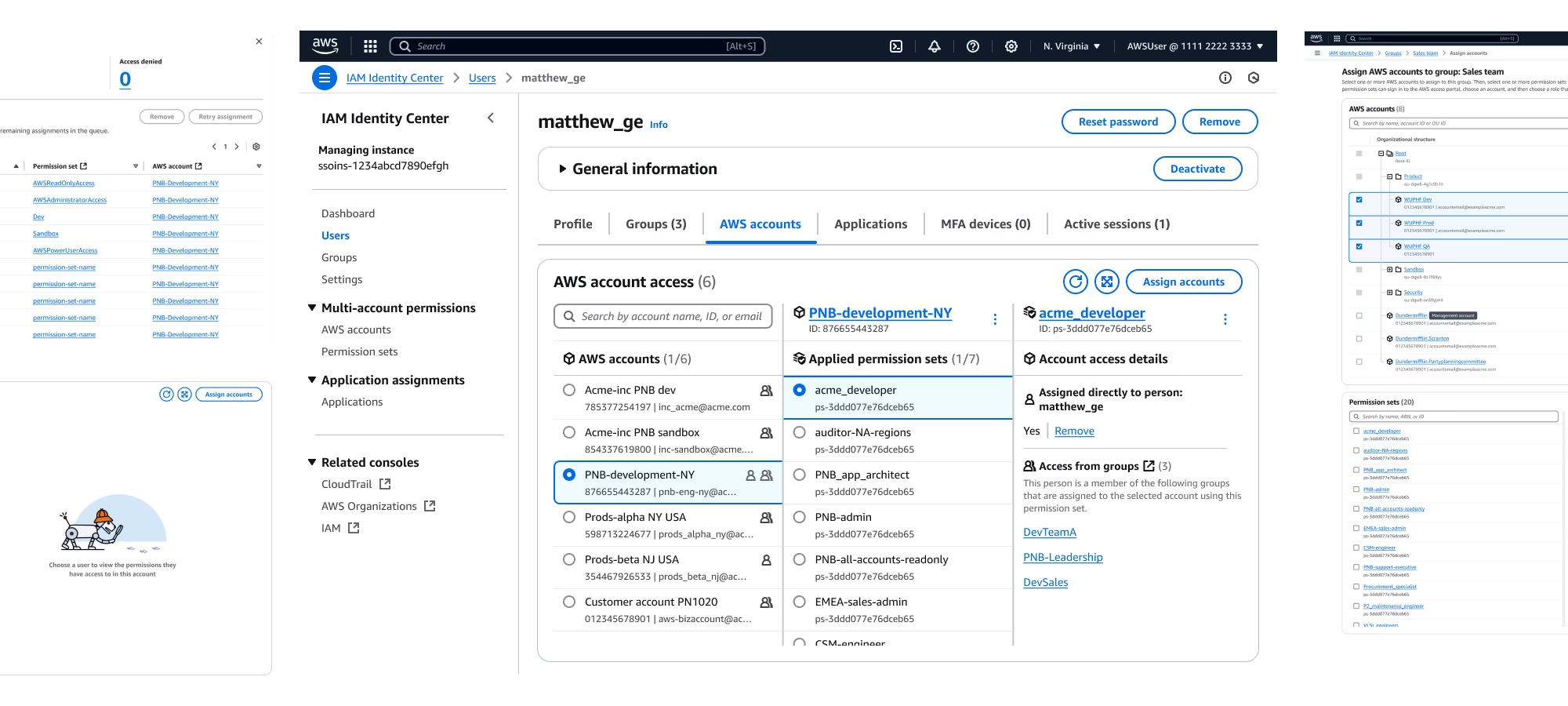
We reduced auditing and troubleshooting times by 80% (from hours to minutes) by replacing a single-page auditing workflow with a contextual integrated widget, surfacing data where admins naturally look for it.
The friction holding back enterprise adoption
Behind only migrating existing permission policies, permission auditing was the single largest barrier to enterprise adoption. For multi-account organizations, answering the basic question of "who has access to what" required days of tedious manual auditing—leaving teams hesitant to roll out the product at scale.
The existing workflow was bottlenecking admins
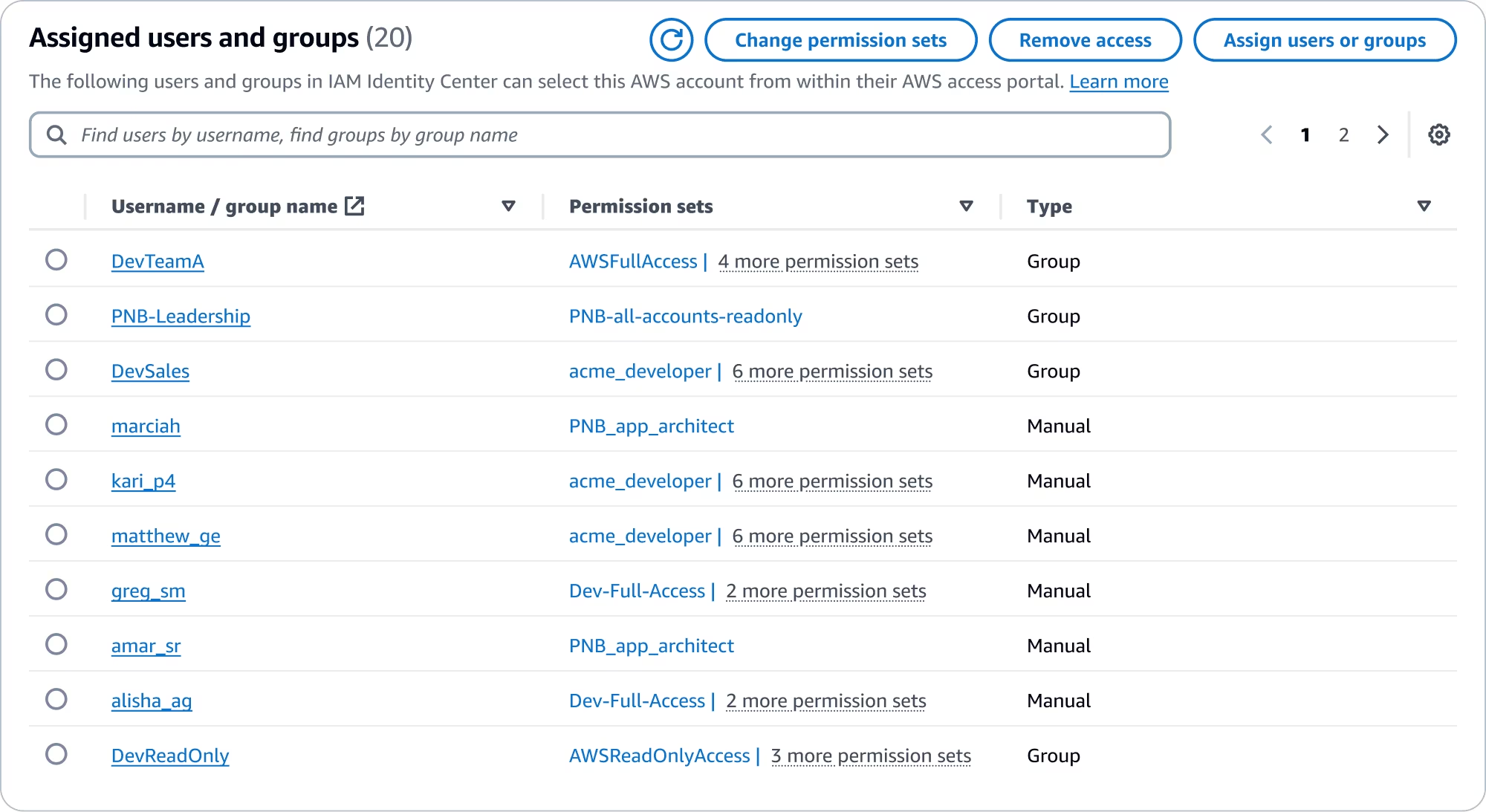
The original multi-account access audit flow required admins to individually navigate to every account detail page and manually paginate through the user and group assignments - a workflow that was not realistic for anyone to use at scale.
“I need to see every AWS account Jorge has access to in my organization.”

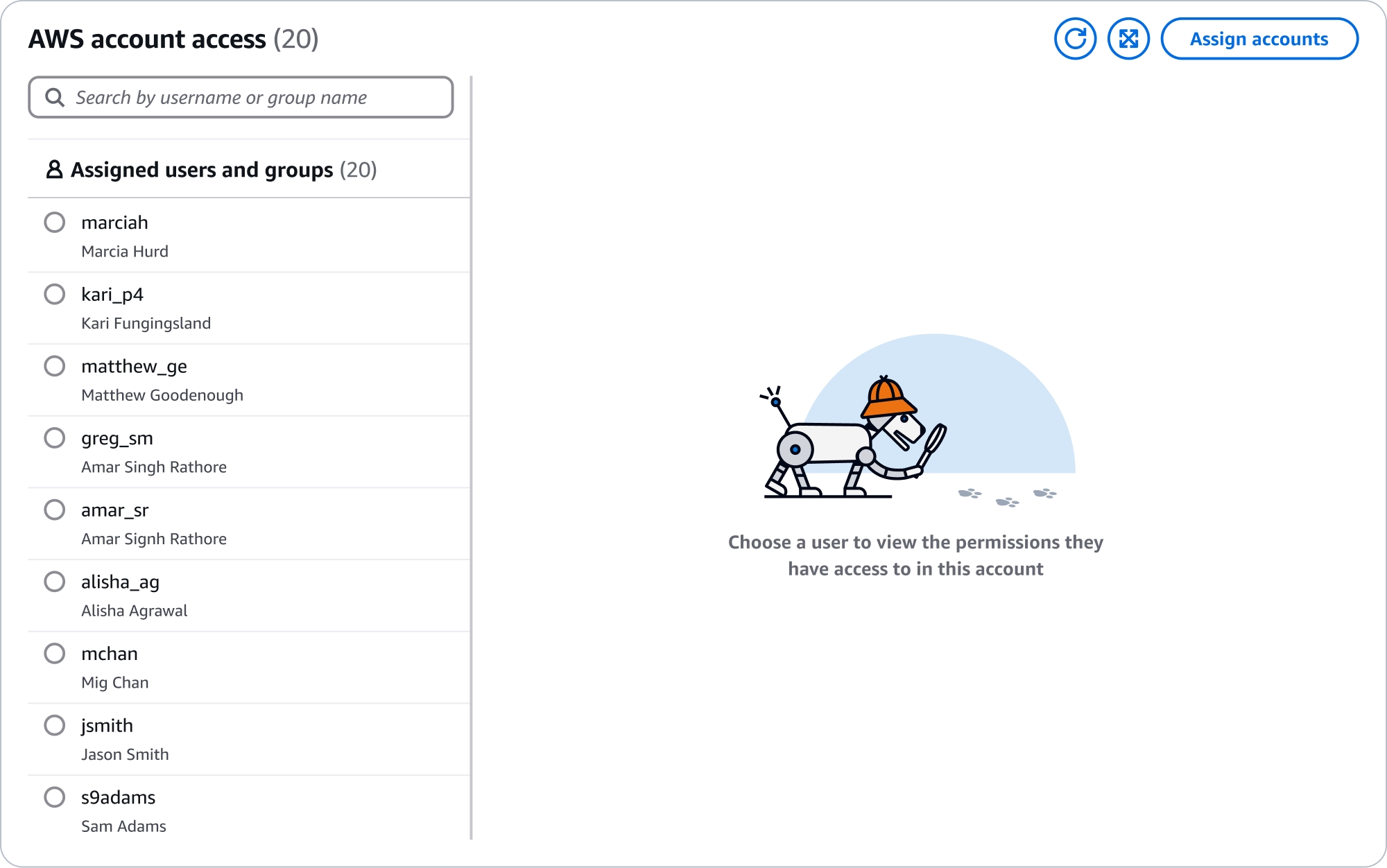
First we updated the UI pattern so it could scale
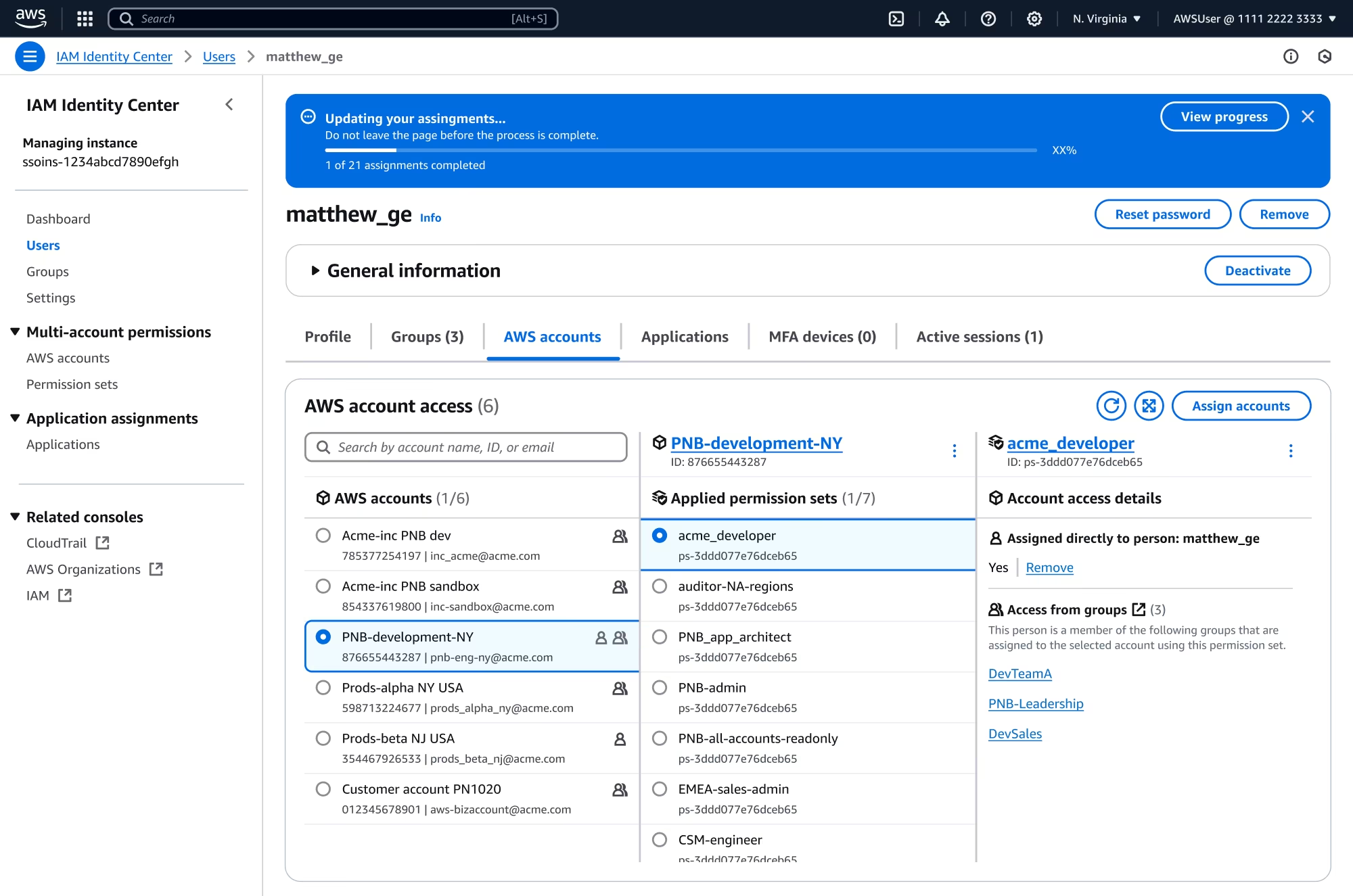
Using a miller column pattern gave us a way to make this widget modular while also being familiar to users.
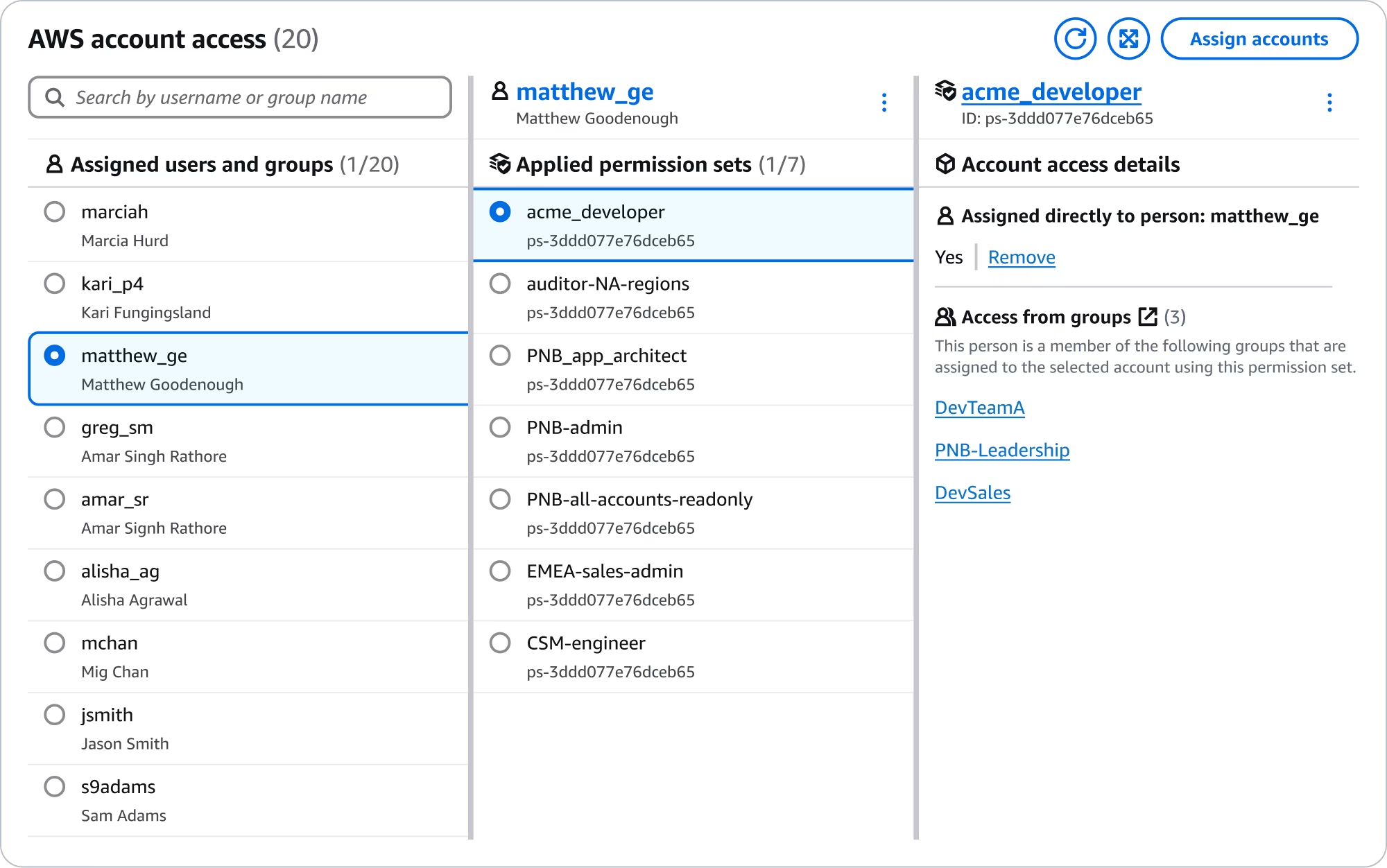
Using progressive disclosure allowed and load-on-scroll for the columns allowed for us to use this pattern without any new APIs or technical issues.
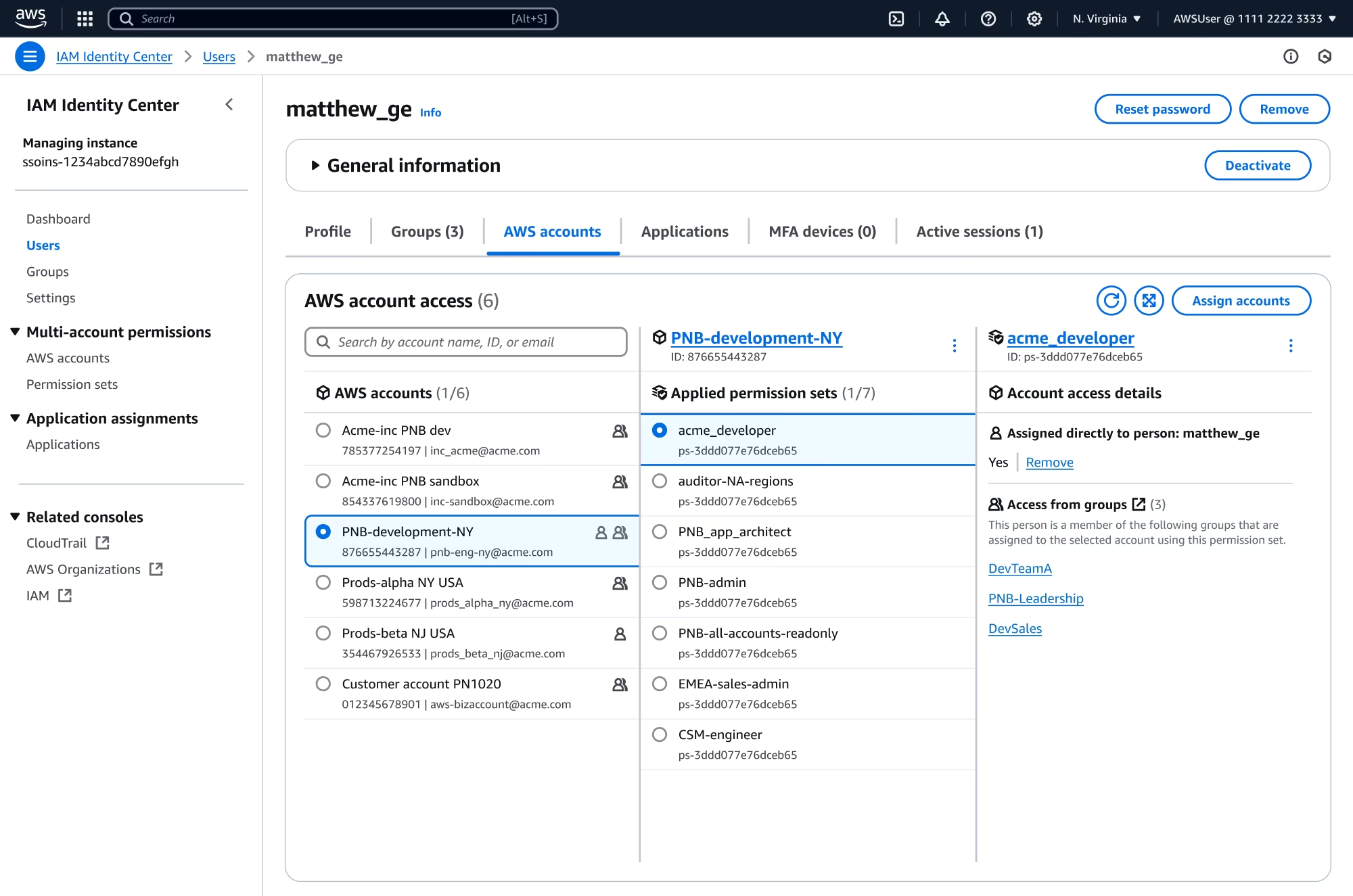
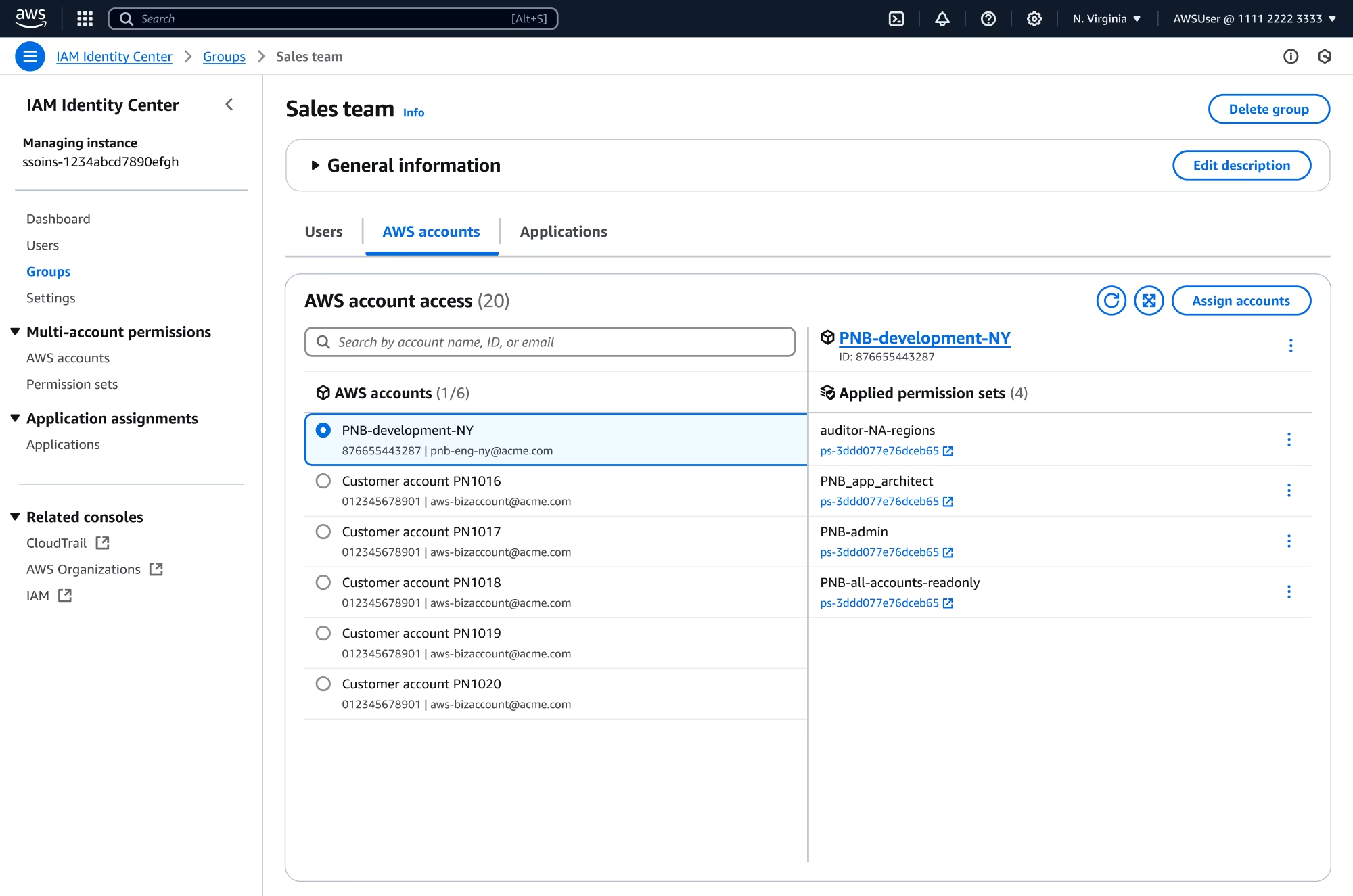
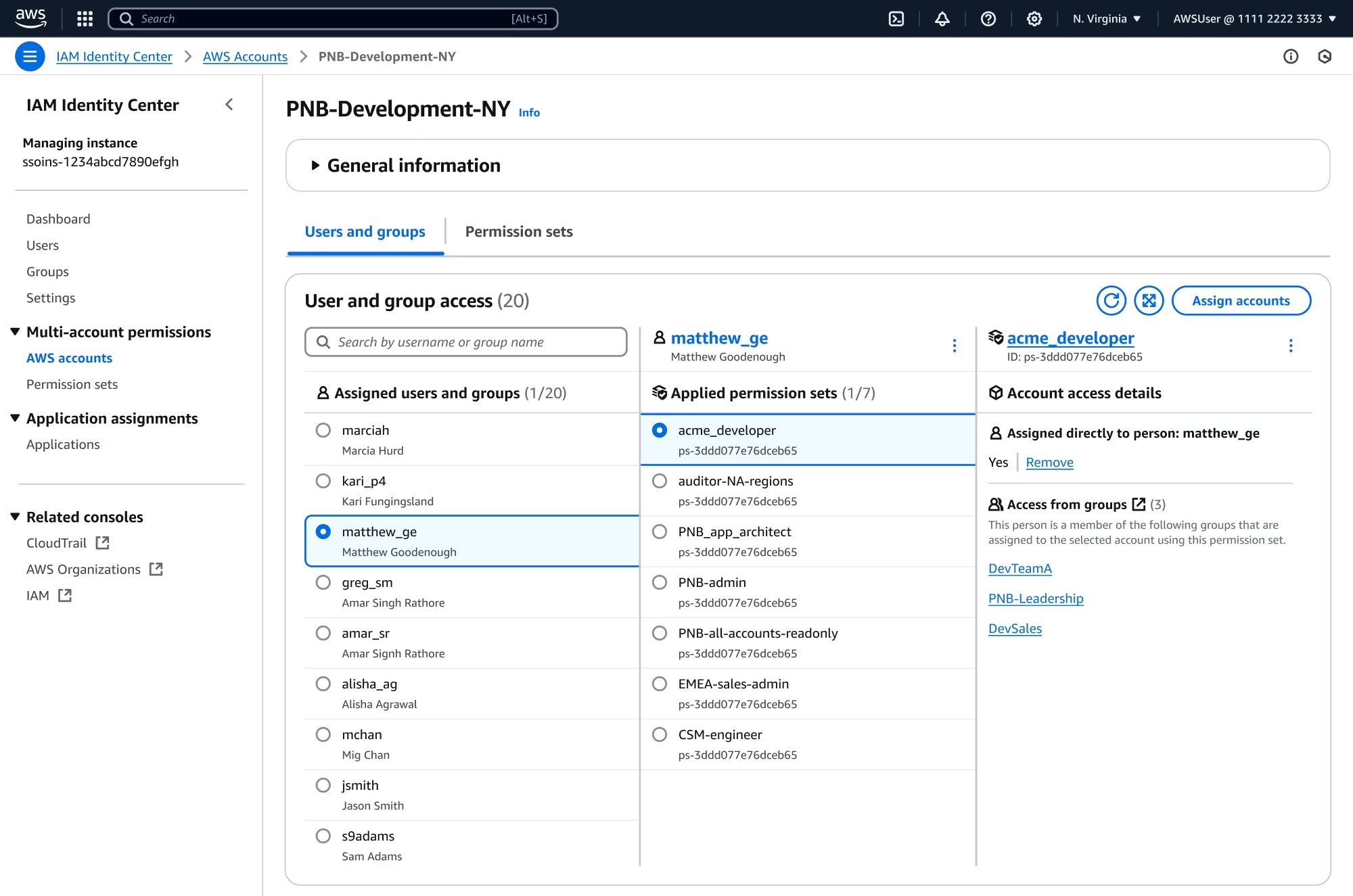
Then we made it accessible on each resource page
Once we launched the new widget on the Users, and Groups page - we immediately saw a normalization of our page traffic. This means admins were successfully auditing from the root instead of being forced into a strict workflow.
Edit Anywhere, Provision Asynchronously
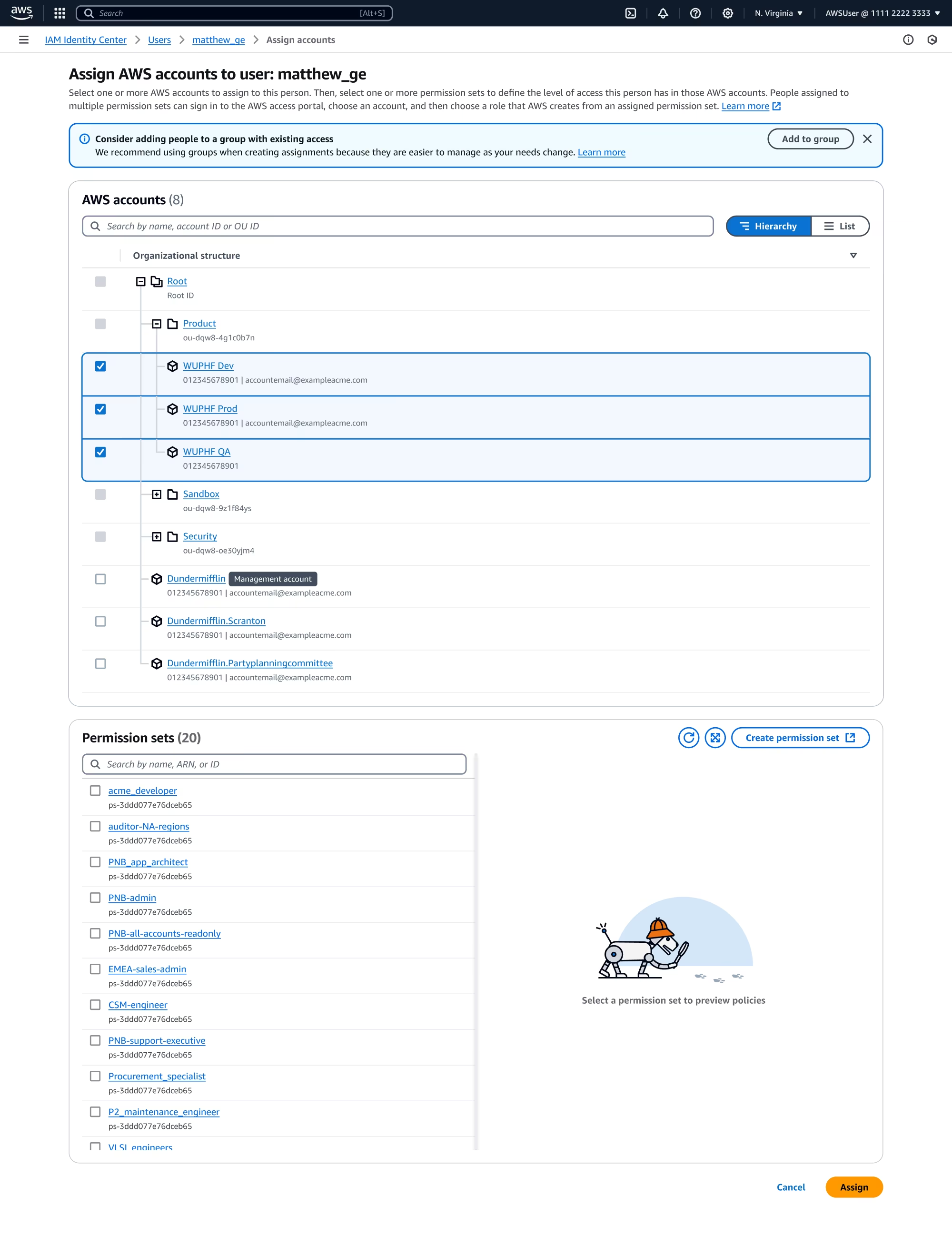
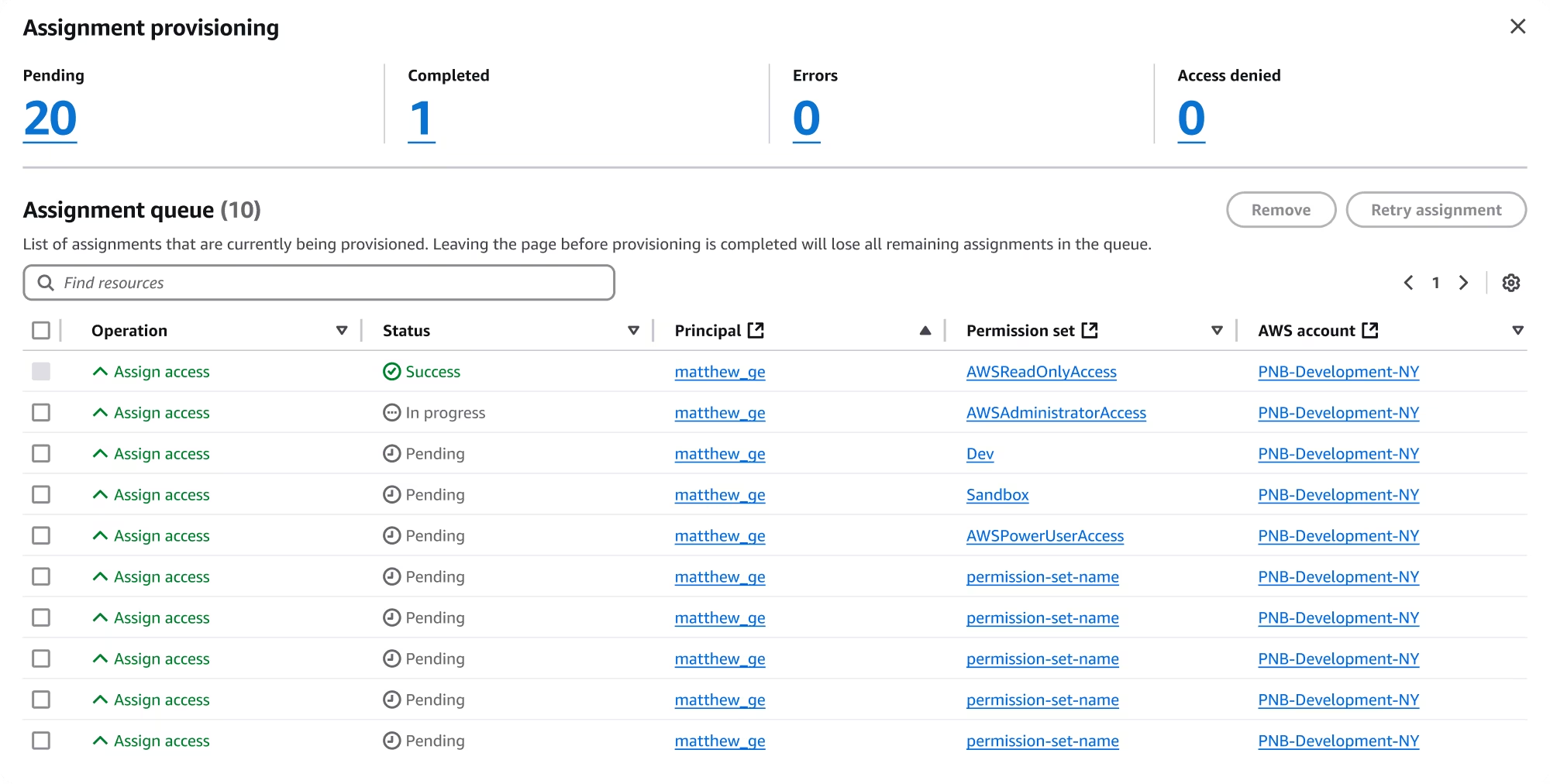
We brought editing capabilities directly to where data lives. Swapping out a rigid wizard for a single page, paired with background async provisioning, means admins can make sweeping bulk edits on the spot without getting stuck waiting on system confirmations.
Some key learnings and reflection
- Technical constraints should not get in the way of insisting on the best customer experience, it’s an opportunity to be creative.
- Iteration and progressive enhancement is better than waiting for perfection. It’s much better to ship and see how customers are using the design in production and continue to iterate based on their feedback.